The Art of Natural Skin Retouching: A Step-by-Step Guide

The Art of Natural Skin Retouching: A Step-by-Step Guide

The Art of Natural Skin Retouching: A Step-by-Step Guide When I first started retouching portraits, I made the same mistake many beginners do: I smoothed skin until it looked plastic. The turning point came when a mentor told me, “Your job isn’t to erase the person—it’s to reveal their best self.” That philosophy changed everything about how I approach skin retouching. Today, I want to share the techniques that transformed my work and can transform yours too.

The Art of Natural Skin Retouching: A Step-by-Step Guide to Flawless Portraits

The Art of Natural Skin Retouching: A Step-by-Step Guide to Flawless Portraits

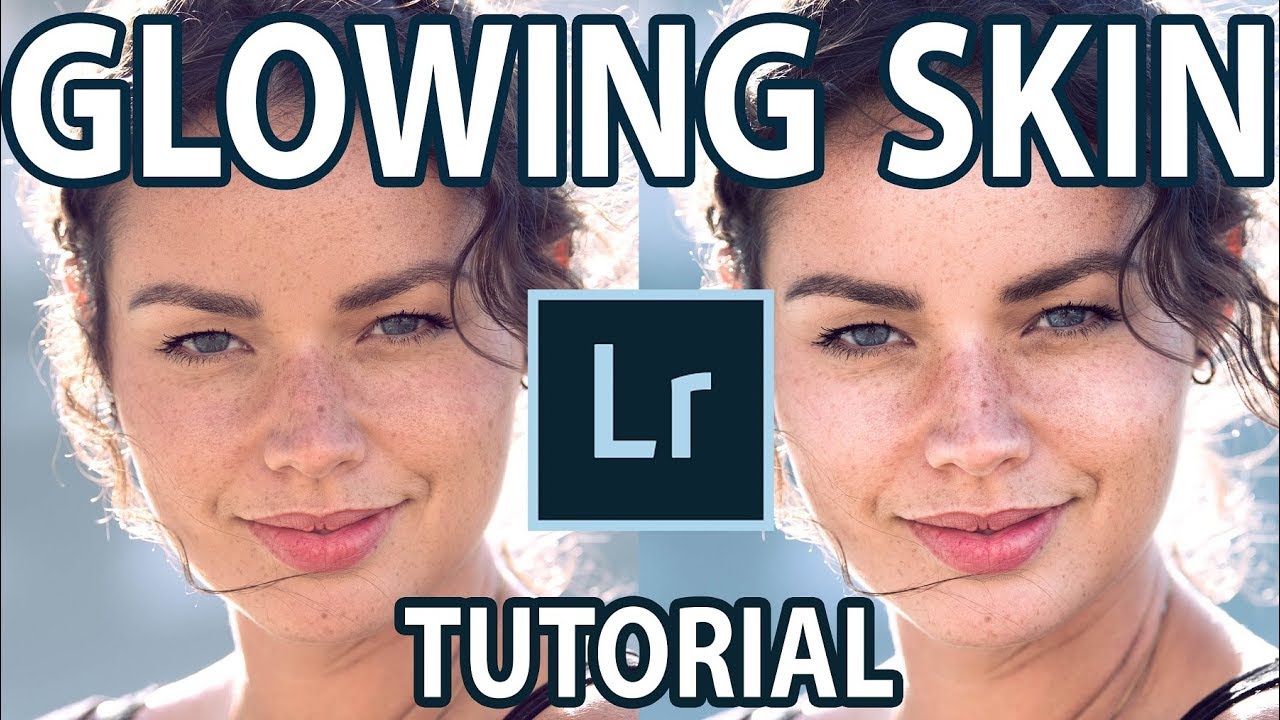
The Art of Natural Skin Retouching: A Step-by-Step Guide to Flawless Portraits I’ve spent years perfecting skin retouching, and I want to share what I’ve learned with you. The difference between amateur and professional results often comes down to one thing: knowing when to retouch and when to stop. Let me walk you through the process I use for every portrait that lands on my desk. Why Texture Matters More Than You Think Before we dive into tools and settings, I need to emphasize something crucial: the goal of skin retouching isn’t to create plastic-looking perfection.

The Art of Natural Makeup Retouching: Enhancing Beauty Without Looking Edited

The Art of Natural Makeup Retouching: Enhancing Beauty Without Looking Edited

The Art of Natural Makeup Retouching: Enhancing Beauty Without Looking Edited When I first started retouching portraits, I made a common mistake—I over-edited the makeup. My clients looked airbrushed and plastic, which wasn’t what they wanted at all. I’ve since learned that the best makeup retouching is invisible. It enhances what’s already there while keeping skin looking human and real. Let me walk you through my approach. Understanding the Goal Before we touch a single brush, I ask myself: are we enhancing existing makeup, or creating a polished version of the client’s natural face?

The Art of Natural Hair Retouching: Making Flyaways Disappear Without Looking Fake

The Art of Natural Hair Retouching: Making Flyaways Disappear Without Looking Fake

The Art of Natural Hair Retouching: Making Flyaways Disappear Without Looking Fake When I first started retouching portraits, I made the same mistake many of us do: I over-smoothed everything. Hair looked plastic. Shine became artificial. I’ve learned that the best hair retouching is invisible—it enhances what’s already there rather than replacing it entirely. Let me walk you through my approach to hair retouching, so you can deliver portraits that look effortlessly beautiful.

The Art of Natural Beauty Editing: When Less is More

The Art of Natural Beauty Editing: When Less is More

The Art of Natural Beauty Editing: When Less is More I’ve spent the last decade refining my approach to beauty editing, and I’ve learned something that might surprise you: the best retouching work is often invisible. When clients ask me about my editing, they rarely believe I’ve done much at all—which is exactly the goal. The difference between amateur and professional beauty editing isn’t about creating flawless, plastic-looking skin. It’s about understanding which imperfections to address, which to soften, and which to leave entirely alone.

The Art of Natural Beauty Editing: Enhancing Without Overworking

The Art of Natural Beauty Editing: Enhancing Without Overworking

The Art of Natural Beauty Editing: Enhancing Without Overworking When I started my retouching journey, I made the same mistake most beginners do—I over-processed everything. Skin became plastic, pores disappeared entirely, and faces looked airbrushed in the worst way possible. It wasn’t until I shifted my mindset that I understood: beauty editing isn’t about creating perfection. It’s about revealing the best version of someone while keeping them recognizable. I want to share what I’ve learned about editing portraits in a way that feels natural, respectful, and genuinely beautiful.

The Art of Natural Beauty Editing: Enhancing Without Overdoing

The Art of Natural Beauty Editing: Enhancing Without Overdoing

The Art of Natural Beauty Editing: Enhancing Without Overdoing When I first started retouching portraits, I made the same mistake many beginners do: I over-edited. My subjects looked airbrushed and plastic—beautiful, sure, but not them anymore. Over the years, I’ve learned that the most powerful beauty edits are the ones people don’t notice. Today, I want to share what I’ve discovered about enhancing portraits while preserving that authentic, natural quality.

The Art of Hair Retouching: Creating Natural, Polished Results

The Art of Hair Retouching: Creating Natural, Polished Results

The Art of Hair Retouching: Creating Natural, Polished Results When I first started retouching portraits, I thought hair was the easiest element to fix. A few brush strokes, some cloning, and done—right? Wrong. I quickly learned that hair retouching is actually one of the most nuanced skills in portrait editing. It requires patience, precision, and an understanding of how light interacts with individual strands. Today, I want to share what I’ve learned so we can approach hair retouching with confidence and create results that look genuinely polished, not overworked.

The Art of Hair Retouching: Creating Natural, Polished Portraits

The Art of Hair Retouching: Creating Natural, Polished Portraits

The Art of Hair Retouching: Creating Natural, Polished Portraits When we talk about portrait retouching, skin gets most of the attention—but I’ve learned that hair retouching is equally crucial to creating a truly polished final image. A beautifully edited portrait can still fall flat if the hair looks unnatural or neglected. Today, I want to share the specific techniques I use to enhance hair while keeping it looking authentic and dimensional.

The Art of Capturing Seasonal Beauty: What Cherry Blossoms Teach Us About Editing Light and Texture

The Art of Capturing Seasonal Beauty: What Cherry Blossoms Teach Us About Editing Light and Texture

A Decades-Long Study in Fleeting Beauty I recently learned about a photographer named Drew Geraci who has spent nearly two decades returning to Washington, D.C. each spring to photograph cherry blossoms. What struck me most wasn’t just his dedication—it was how his long-term project mirrors the delicate work we do in portrait retouching and beauty editing. When you commit to photographing the same subject across 17 years, you’re not just collecting images.

Speed Retouching: Professional Results in Under 5 Minutes

Speed Retouching: Professional Results in Under 5 Minutes

Not every portrait gets 90 minutes of retouching. Event photographers might deliver 200 images from a single shoot. Corporate headshot sessions might produce 30 portraits in an afternoon. You need a fast workflow that still looks professional. Here’s my 5-minute retouching process, broken into steps that I time myself on. Minute 1: Healing Pass Open the image and immediately create a new blank layer. Select the Healing Brush, set to “Sample All Layers,” and quickly remove:

Retouching Workflow: From RAW to Final Image

Retouching Workflow: From RAW to Final Image

A consistent workflow isn’t just about efficiency — it’s about never forgetting a step and delivering consistent quality across every image. Here’s the exact workflow I use for every portrait retouching job, from opening the RAW file to exporting the final image. Phase 1: RAW Processing (Camera Raw / Lightroom) Before Photoshop even opens, I handle: White balance — get this right first, everything else depends on it Exposure and contrast — basic tonal corrections Highlight and shadow recovery — pull back blown highlights, open up shadows Lens corrections — profile corrections, chromatic aberration removal Noise reduction — if needed, especially for high-ISO images Basic crop — rough composition, I’ll fine-tune later I do NOT do color grading in RAW.