The Five-Minute Portrait Cleanup That Makes the Difference Between Good and Great

The Five-Minute Portrait Cleanup That Makes the Difference Between Good and Great

My first year doing serious beauty retouching, a client emailed me back with three words: “She looks plastic.” I stared at that email for a long time. I had spent two hours on that image. I had smoothed every pore, evened every tone, and delivered what I thought was a polished, professional edit. What I had actually delivered was a face that looked like it had been buffed with sandpaper and then laminated.
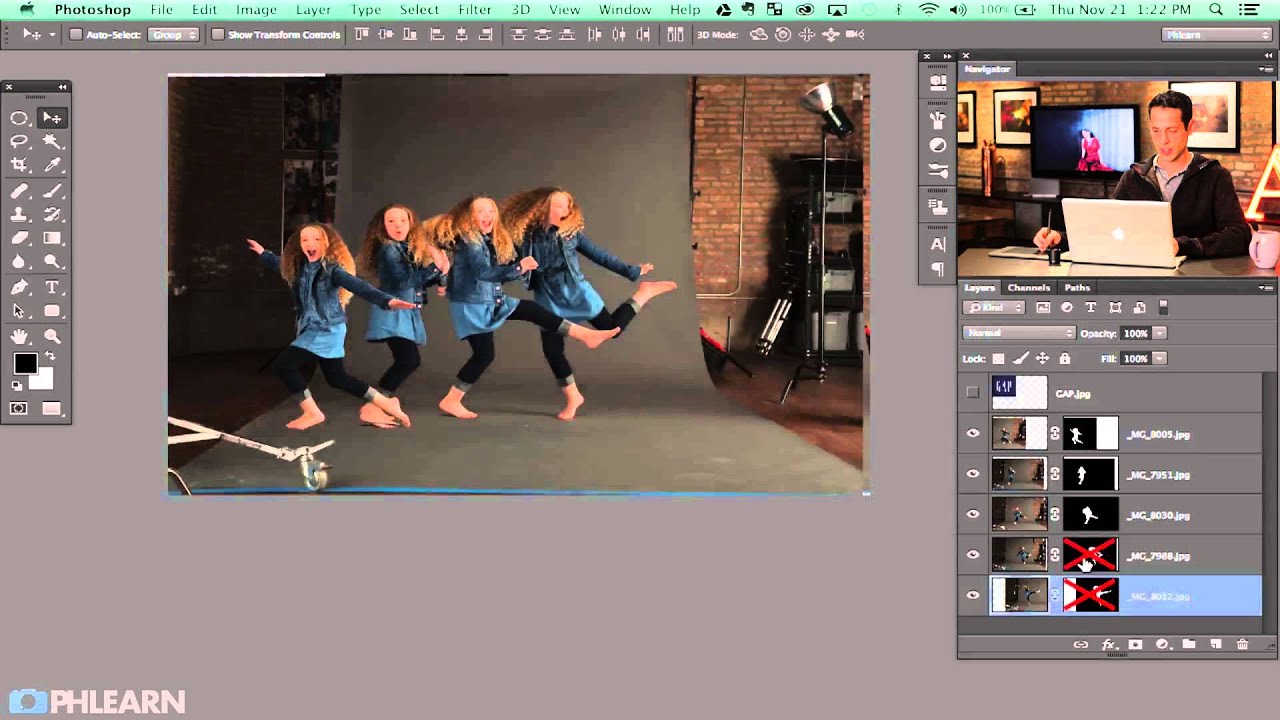
How to Cut Out Multiple Subjects Fast for Fashion Composites (Gap Ad Breakdown, Part 1)

How to Cut Out Multiple Subjects Fast for Fashion Composites (Gap Ad Breakdown, Part 1)

Composite work used to be the thing I’d quietly dread on a brief. Not because the retouching itself was hard, but because my early approach was so disorganized. I’d start painting, masking, and color-matching before I’d even decided where each element was going to live in the final image. The result was hours of rework and a file full of layers named “copy of copy of final FINAL.” It wasn’t pretty.

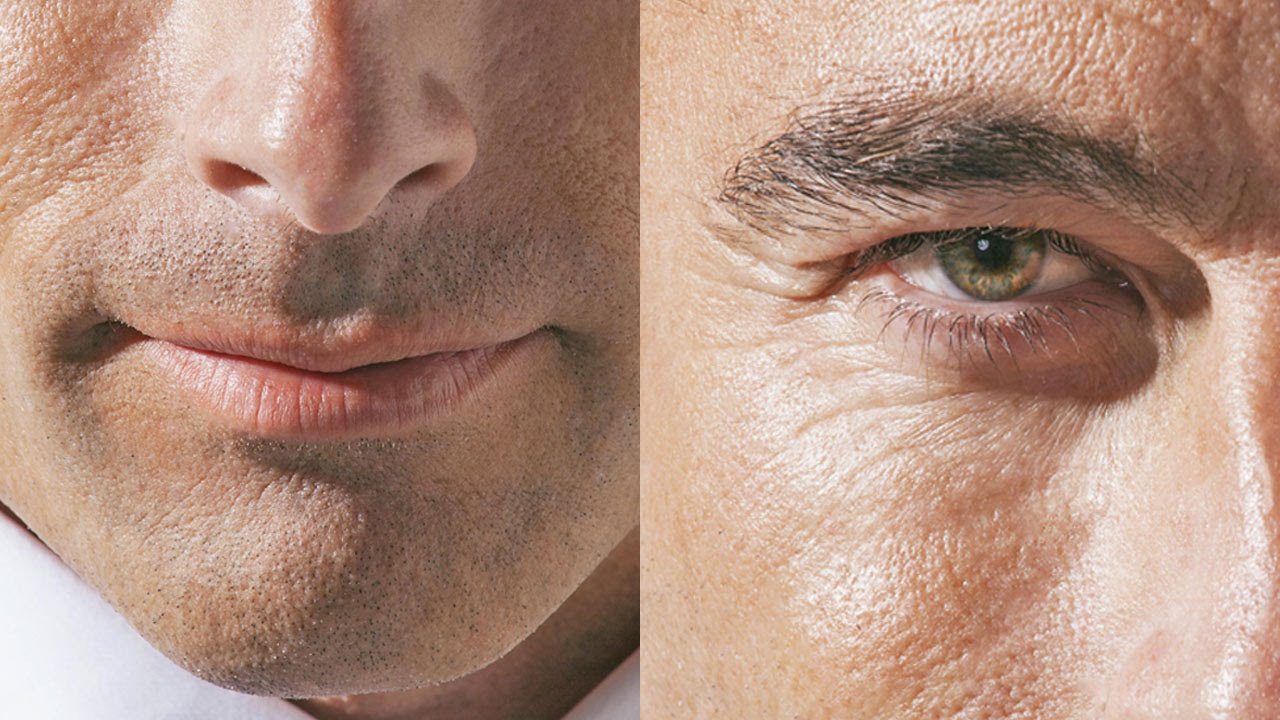
Retouching Mature Skin in Photoshop: A Gentle Approach That Actually Respects Your Subject

Retouching Mature Skin in Photoshop: A Gentle Approach That Actually Respects Your Subject

Most of my retouching work these days comes from beauty brands, and I’ll be honest - the briefs I find most interesting aren’t the ones asking me to create an impossibly smooth complexion. They’re the ones where the subject has a face that’s actually lived in. Laugh lines, textured skin, a little unevenness in tone. That’s where thoughtful retouching really earns its keep, because the goal isn’t erasure. It’s enhancement.

How to Soften Skin in Lightroom Without Touching Photoshop (A Step-by-Step Guide)

How to Soften Skin in Lightroom Without Touching Photoshop (A Step-by-Step Guide)

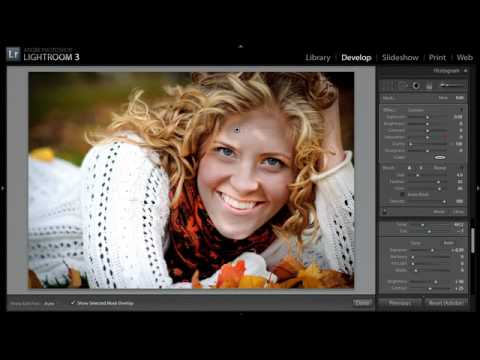
For a long time, I treated Lightroom as a halfway house. I’d do my exposure corrections, pull my highlights, maybe warm up the tone, and then shuffle the file over to Photoshop for anything that actually touched skin. That was just the workflow. Lightroom was for global adjustments. Photoshop was for faces. Then I came across this KelbyOne tutorial on skin smoothing entirely inside Lightroom, and I had to rethink that assumption.

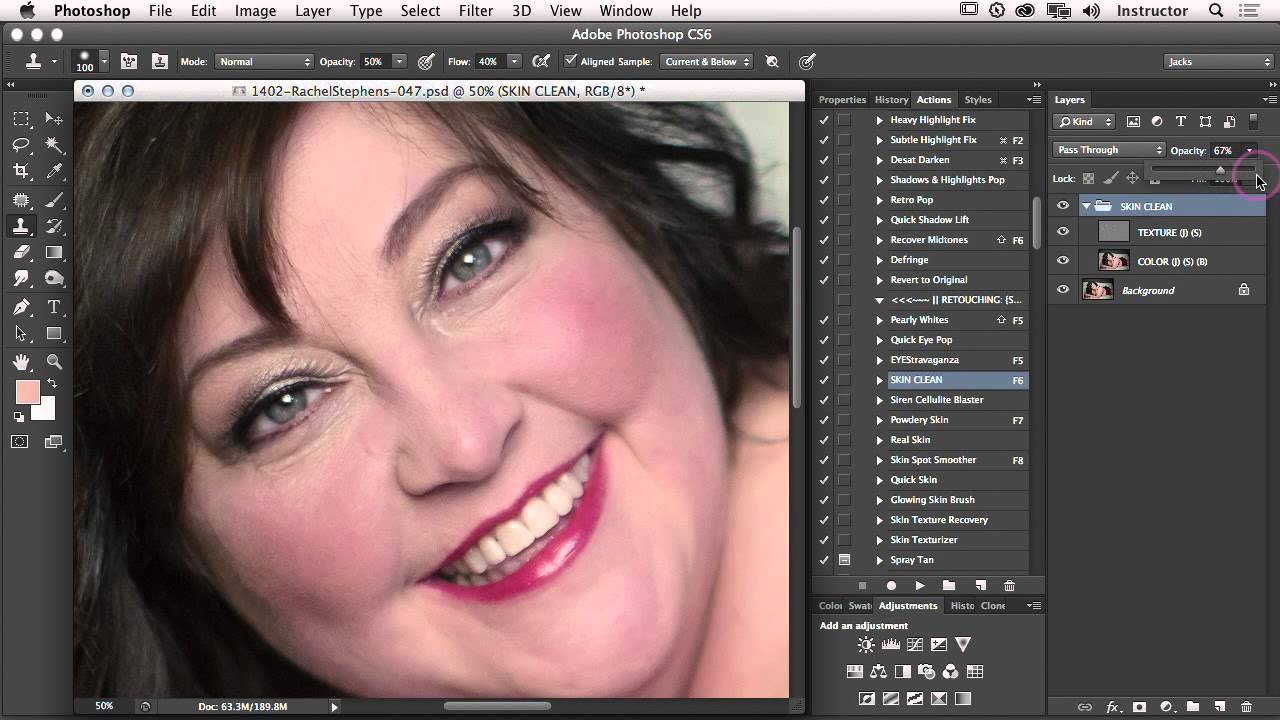
Frequency Separation for Boudoir Skin: A Step-by-Step Breakdown of Rachel Stephens' Technique

Frequency Separation for Boudoir Skin: A Step-by-Step Breakdown of Rachel Stephens' Technique

There’s a specific kind of dread that comes from zooming out on a retouch you’ve spent forty minutes on, only to realize your subject now looks like they’re made of wax. I know that feeling intimately. Early in my retouching career, I leaned hard on the clone stamp and healing brush, smoothing and patching until every pore, every shadow, every bit of character was gone. A client once told me my edits looked “plastic.

How to Add Depth and Dimension to a Cracked Skin Effect in Photoshop

How to Add Depth and Dimension to a Cracked Skin Effect in Photoshop

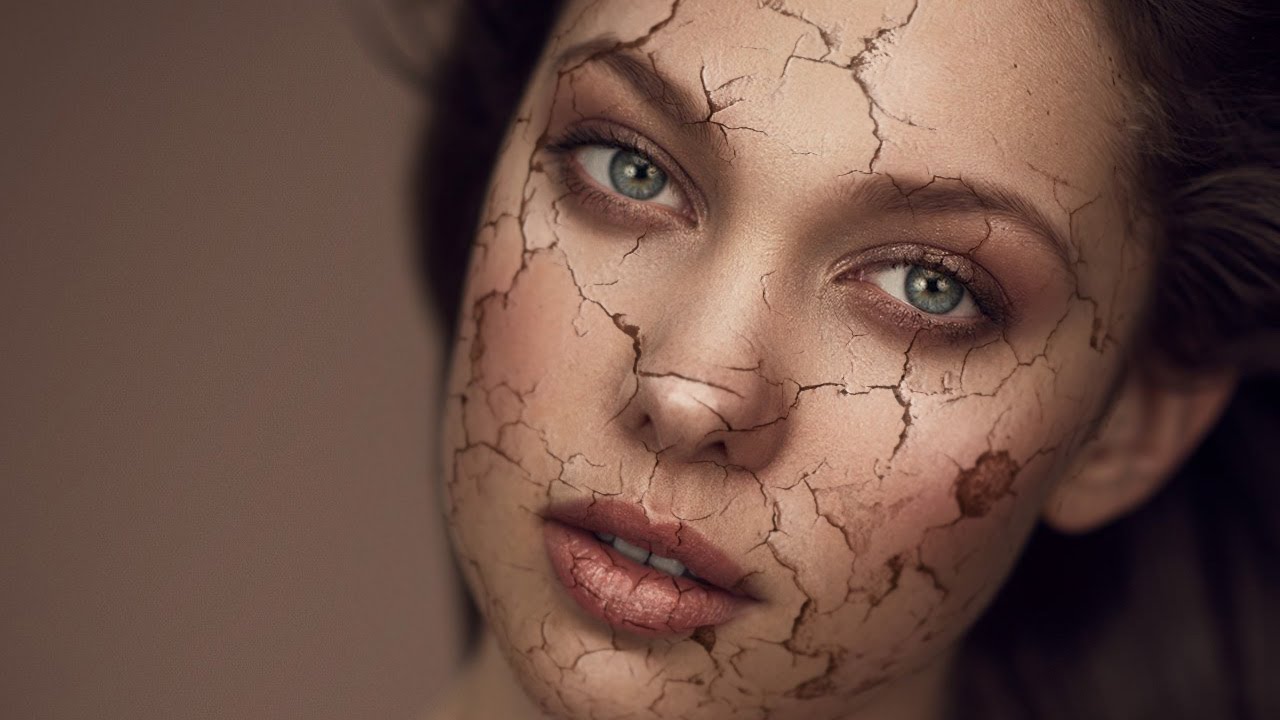
Special effects work isn’t something I thought I’d ever be doing when I first picked up a camera to shoot wedding receptions in the rain. But beauty retouching has a way of pulling you into corners of Photoshop you never expected to visit, and the cracked skin composite is one of those techniques that shows up more often than you’d think, whether it’s an editorial beauty shoot, a Halloween campaign, or a concept piece for a brand that wants something dramatic.

How to Give a Sports Portrait That Nike-Ad Energy in Photoshop

How to Give a Sports Portrait That Nike-Ad Energy in Photoshop

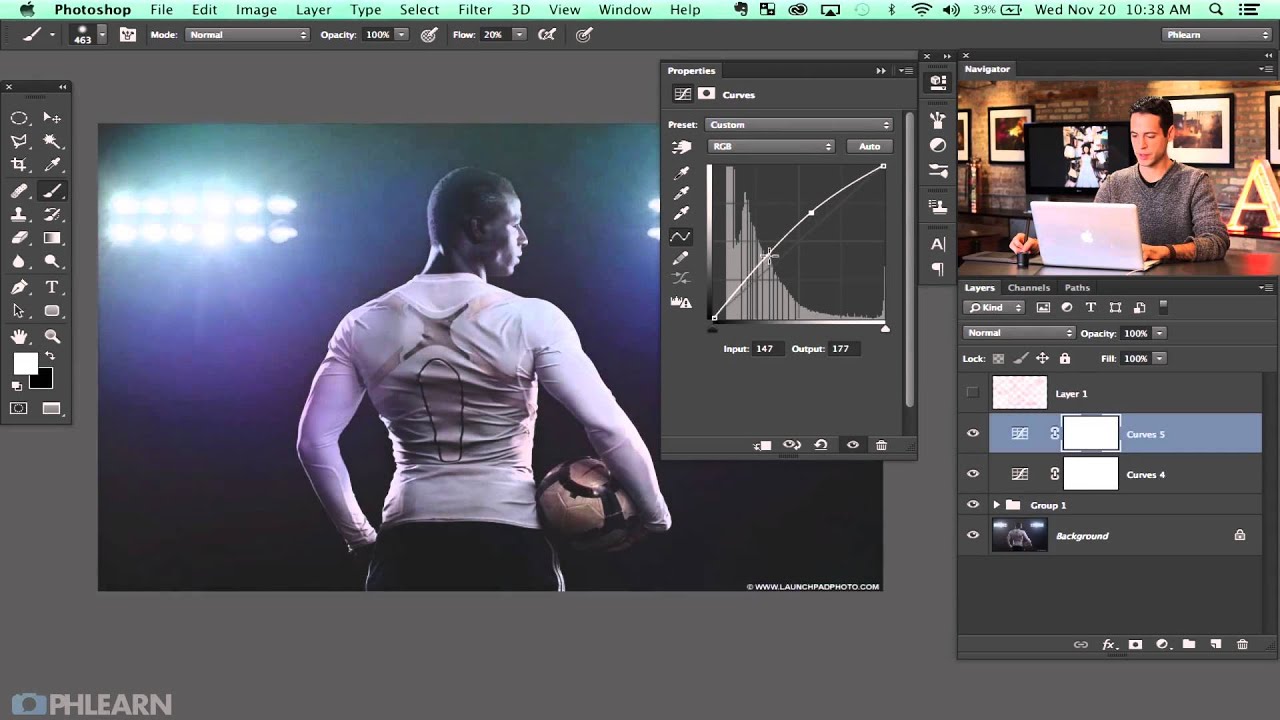
Sports portrait work is not something I stumbled into naturally. My background is beauty and wedding retouching, where the goal is usually smoothness, softness, a certain kind of quiet polish. But a few of my clients have been pushing into athletic branding, and I quickly realized my usual toolkit was leaving the images feeling a little… pleasant. Pleasant is death for a sports photo. What those images need is drama, contrast, and a visual language that signals performance before a single word is read.

Why Your Makeup Retouching Looks Painted On (And How to Fix It in Photoshop)

Why Your Makeup Retouching Looks Painted On (And How to Fix It in Photoshop)

A client once told me my retouching looked “like a wax figure wearing lipstick.” She wasn’t wrong. I had smoothed the skin, punched the eye shadow, and deepened the lip color until everything was technically perfect and completely lifeless. That note stung, but it taught me something I now consider the foundation of every beauty edit I do: makeup in a photo has to behave like makeup on skin, not makeup on plastic.

What 5 Fiverr Retouchers Taught Me About What Clients Actually Notice First

What 5 Fiverr Retouchers Taught Me About What Clients Actually Notice First

Every few months I fall down a rabbit hole that teaches me more than any formal course. This time it was Watch the full tutorial on YouTube — photographer Jessica Kobeissi’s experiment where she sent one professional portrait to five different Fiverr editors, priced from five dollars all the way up to two hundred and fifty, then compared the results side by side with zero back-and-forth revisions. No notes, no direction.

How to Retouch Skin Without Making It Look Like Plastic: Lessons from Jessica Kobeissi's Frequency Separation Workflow

How to Retouch Skin Without Making It Look Like Plastic: Lessons from Jessica Kobeissi's Frequency Separation Workflow

There is a specific kind of client email that still lives rent-free in my head. It came in during my second year of doing beauty work, after I’d transitioned out of wedding photography and was still figuring out what “professional retouching” actually meant. The client’s exact words were: “She looks a little… plastic.” I stared at that word for a long time. The skin was smooth, technically. Perfectly, horribly smooth. I had smeared the texture right off her face and called it retouching.

Burnout, One-Take Videos, and the Creative Pressure Every Photographer Feels (And How to Work Through It)

Burnout, One-Take Videos, and the Creative Pressure Every Photographer Feels (And How to Work Through It)

There’s a particular kind of exhaustion that doesn’t show up in your gear bag or your hard drive. It lives somewhere behind your eyes around week three of a dry spell, when you’re staring at your calendar and realizing you’ve promised yourself you’d create something today, and you have absolutely nothing to say. I know that feeling well. It’s part of why I left wedding photography. Sixty-hour weekends will teach you a lot about your limits, and eventually I hit mine hard enough that I had to rebuild my entire relationship with making images from the ground up.

Beyond the Postcard: Why Your Authentic Portraits Matter More Than Perfect Landmarks

Beyond the Postcard: Why Your Authentic Portraits Matter More Than Perfect Landmarks

Beyond the Postcard: Why Your Authentic Portraits Matter More Than Perfect Landmarks We’ve all been there. You’re traveling somewhere beautiful, camera in hand, and you find yourself chasing the same shot everyone else has already captured a thousand times. The golden-hour landmark. The perfectly framed scenic backdrop. The postcard-worthy moment. But here’s what I’ve learned after years working with portrait photographers and beauty editors: the images that actually matter aren’t the ones that match everyone else’s Instagram feed.